The short answer
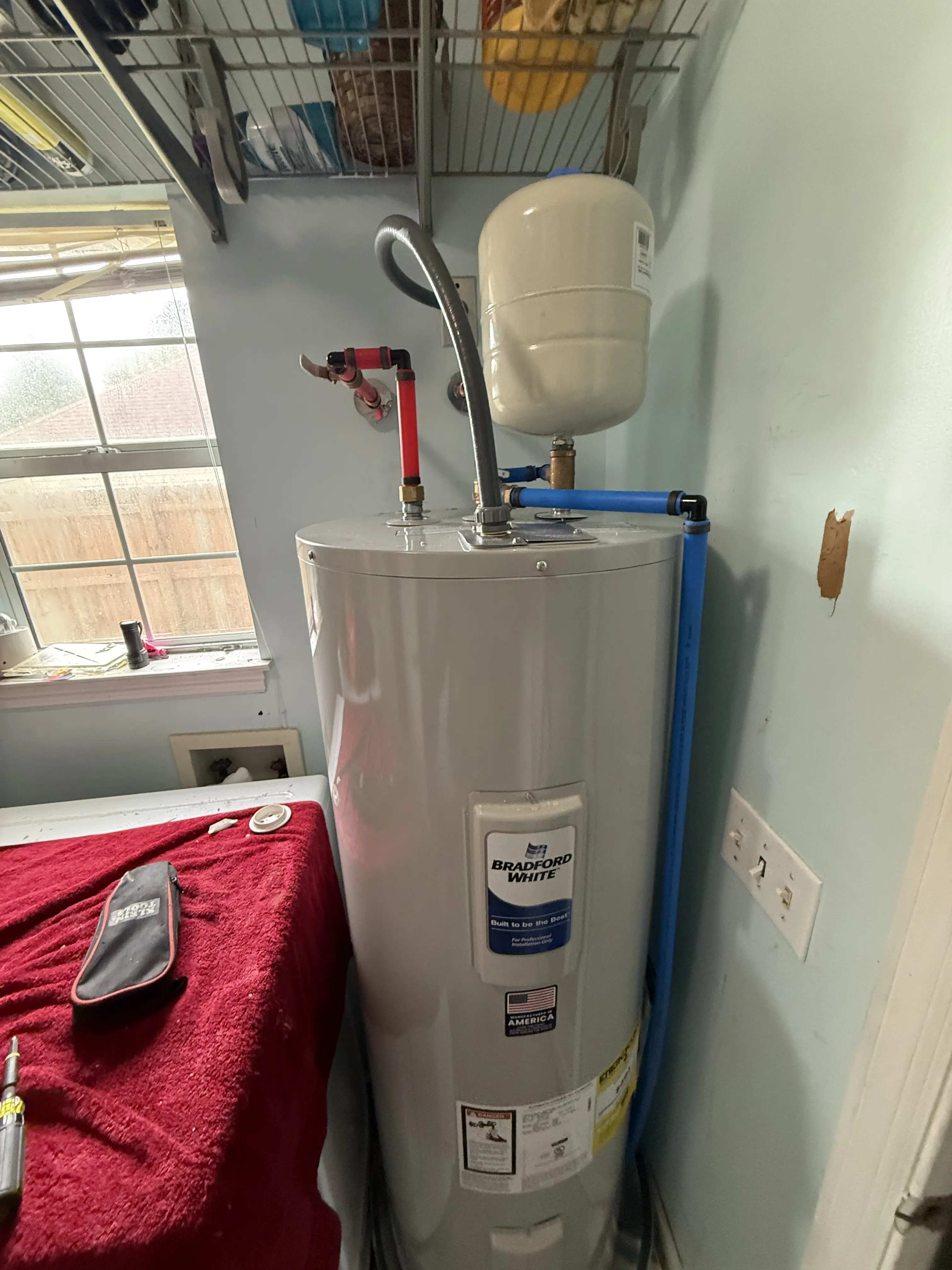
A tank water heater costs less up front: $1,895 to $2,307 installed. A tankless unit costs more, $4,909 to $5,735 installed, but lasts 20-plus years against a tank's 8 to 12, never runs out of hot water, and stops paying to keep 50 gallons hot around the clock. Over twenty years, one tankless unit typically replaces two tanks.
Neither answer is right for everyone. Here is how to tell which one is right for you.
Where the tank still wins
Honest answer first: if your current tank is under 8 years old, keeps up with your household, and your budget has better uses for the difference, keep the tank and replace it like-for-like when the time comes. A tank is also the simpler choice when the install location lacks gas capacity for a tankless burner, since upgrading the gas line adds cost. Anyone who tells you tankless is right for every home is selling, not advising.
Where tankless wins, and by how much
Three situations tip the math hard toward tankless:
- You run out of hot water. A tank holds what it holds. A tankless unit heats on demand: back-to-back showers, the dishwasher, and the washing machine at once, indefinitely.
- Your tank is due anyway. The fair comparison is not $4,909 versus zero. It is $4,909 once versus roughly $2,307 now and again around year ten.
- Space matters. A tankless unit is the size of a carry-on suitcase and hangs on a wall. The floor space where the tank stood comes back.
Install prices at Prestige are flat-rate: Navien $4,909, Rinnai $5,075, and a full tank-to-tankless conversion (gas sizing, venting, condensate) $5,735. Details on the tankless service page.
The Lowcountry caveat nobody mentions: hard water
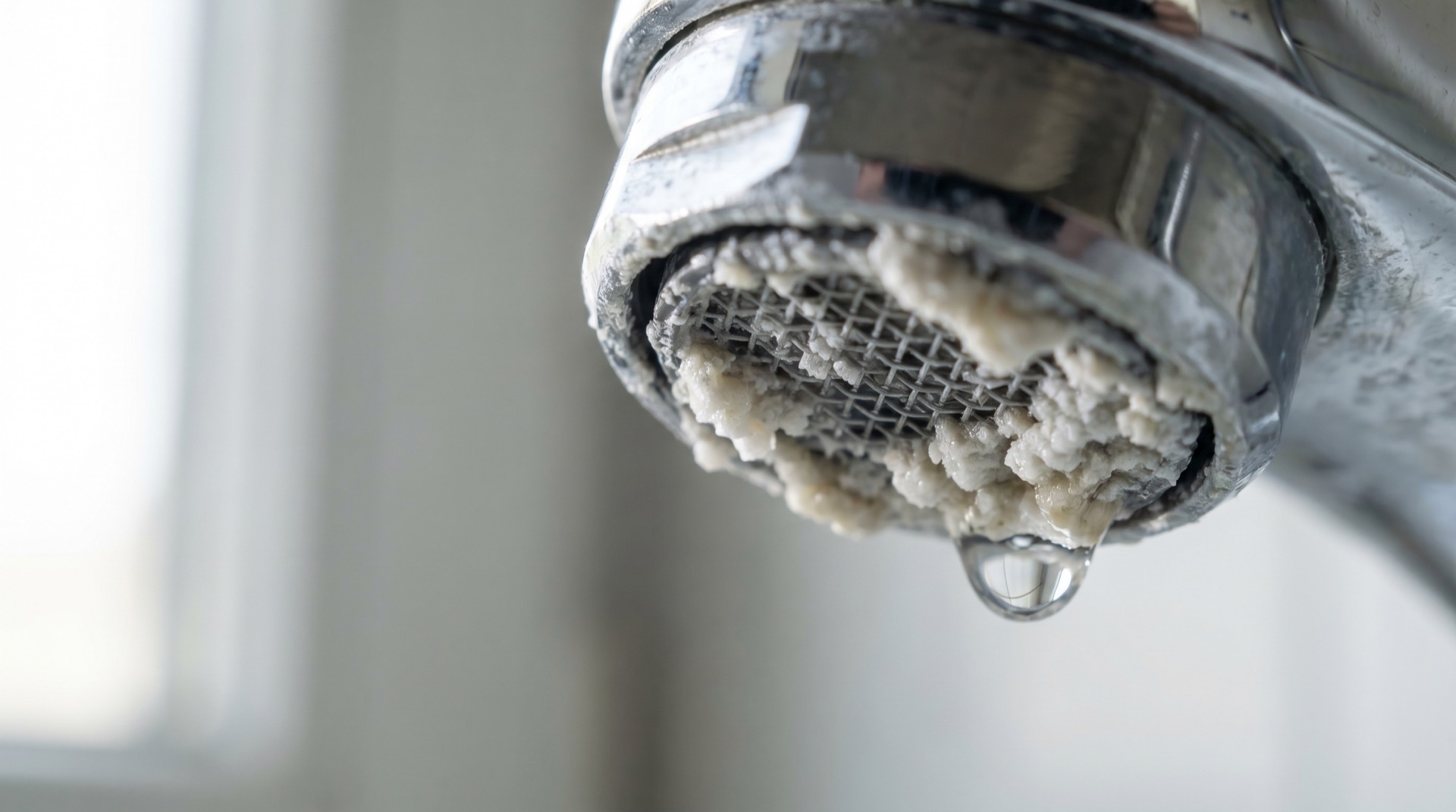
Tankless heat exchangers hate mineral scale, and Lowcountry water carries plenty of it. Skip the annual descale flush and most manufacturers void the warranty. Two ways to handle it: budget the yearly flush as part of ownership, or treat the water once at the point of entry with a whole-house system and stop fighting scale everywhere. If you are weighing tankless, read about what hard water does to Bluffton homes before you decide. It changes the math in tankless's favor more often than against it.
The 20-year math, side by side
Take a 50-gallon gas household. Path one: a $2,307 tank now, another around year ten, plus the standby cost of keeping 50 gallons hot around the clock for two decades. Path two: a $4,909 Navien once, an annual flush, and heating water only when a tap opens. The totals land close enough that the deciding factors are comfort and disruption: path one includes a second installation day and, statistically, one emergency replacement. Path two includes neither.
How to decide in one phone call
Describe your household to Matt: how many people, how many back-to-back showers, gas or electric, how old the current tank is. You will get a straight recommendation, including "keep your tank" when that is the honest answer. Both paths come with a flat-rate price you approve before any work starts, anywhere in the service area.